Get Faux Painting Service
Faux painting services help property owners enhance or transform interior and exterior surfaces by providing decorative finishes that conceal imperfections and add style.
Faux painting services offer a versatile way to enhance the appearance of interior and exterior surfaces, providing a sophisticated or textured look that can complement a variety of design styles. Property owners in the area may consider these services to update outdated walls, add visual interest, or achieve a specific aesthetic without the need for extensive renovations. Exploring local contractors who specialize in faux painting can help ensure that the finished project aligns with personal preferences and the overall character of the property.
When planning a home or commercial improvement project, comparing options among local service providers can lead to better results and informed decisions. Many property owners turn to experienced contractors for advice on suitable finishes, techniques, and materials that suit their space and style goals. Continuing to review local faux painting specialists can help identify the right partner to bring creative ideas to life, ensuring the work is completed to meet individual expectations.
- Faux Painting for Accent Walls - when homeowners want to add visual interest or texture to a feature wall.
- Marble Effect Faux Finishes - suitable for clients seeking a sophisticated, stone-like appearance on interior surfaces.
- Antique and Vintage Faux Finishes - ideal for restoring or enhancing historic or traditionally styled spaces.
- Textured Faux Painting - used to create depth and dimension in living rooms, bedrooms, or commercial interiors.
- Specialty Faux Finishes for Commercial Spaces - when businesses want to achieve a unique aesthetic that stands out to customers.
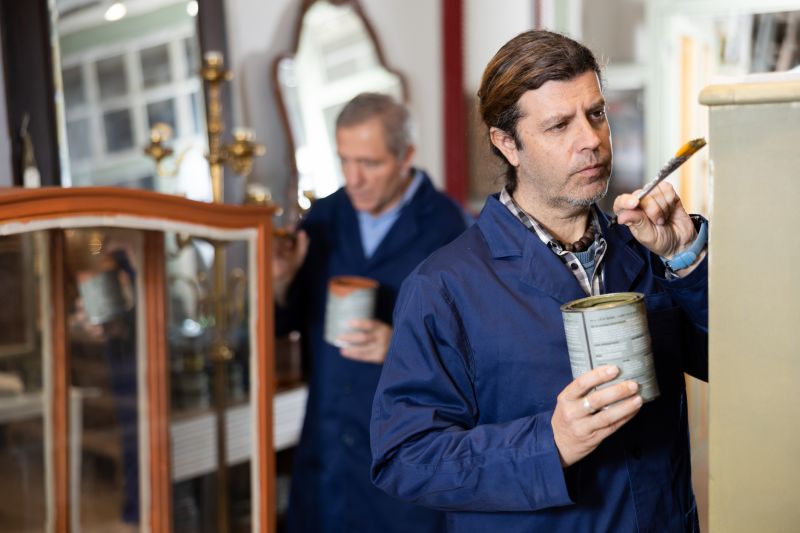
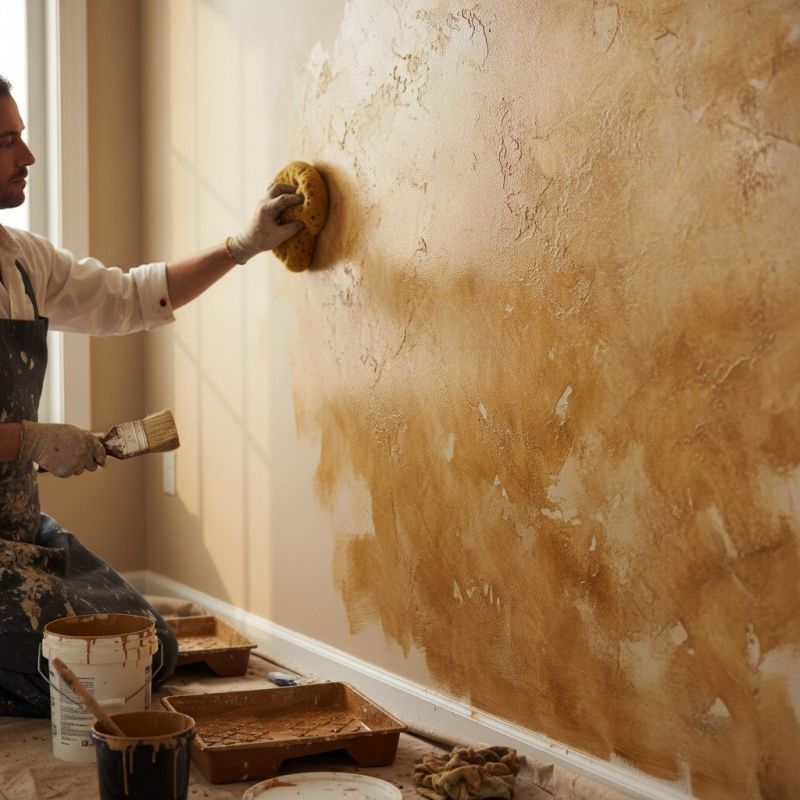
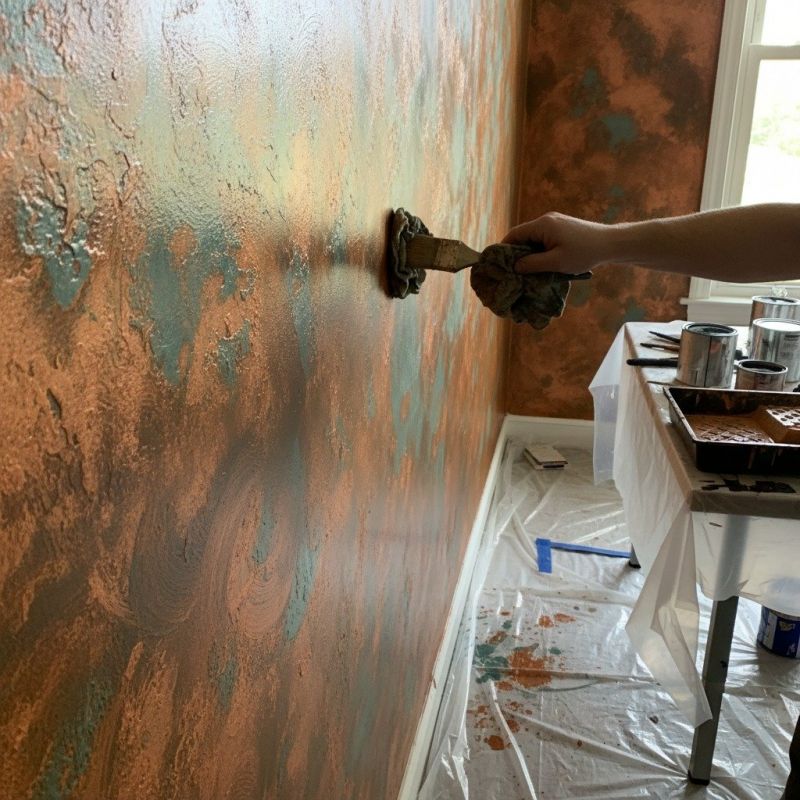
Faux painting services involve creating decorative finishes that mimic the appearance of materials such as marble, wood grain, stone, or textured surfaces. This technique uses specialized painting methods and tools to produce visually striking effects that add depth and character to interior or exterior walls. Faux finishes can range from subtle textures to bold patterns, allowing homeowners to customize the look of a space without the expense of real stone or wood. These services are ideal for those seeking a unique aesthetic or looking to enhance the style of a room with a refined, artistic touch.
Many property owners turn to faux painting to address common design challenges, such as dull or outdated wall surfaces, uneven textures, or areas that need a visual upgrade. Faux finishes can effectively hide imperfections, cover previous paint flaws, or add visual interest to plain walls. Additionally, they can be used to create a specific ambiance, like a rustic, elegant, or modern feel, helping to elevate the overall appearance of the space. These services also provide a way to refresh a room without a full renovation, offering a cost-effective solution to update interior design.
Faux painting services are frequently used in a variety of property types, including residential homes, apartments, and commercial spaces. Homeowners often choose faux finishes for living rooms, dining areas, or entryways to add a touch of sophistication or personality. They are also popular in hospitality venues, retail stores, and offices where creating a distinctive environment can enhance the customer or client experience. Whether updating a single accent wall or transforming an entire room, local contractors can tailor faux painting techniques to suit different styles and preferences.
Homeowners considering faux painting services typically look for ways to improve the visual appeal of their spaces or address surface imperfections. This service can be especially useful when wanting to add texture or depth to a room without extensive remodeling. It’s also a practical option for those who wish to achieve a high-end look on a more modest budget. By connecting with experienced local service providers, homeowners can explore various faux finishing options that match their style, helping to create a personalized and inviting environment in their property.
The overview below groups typical Faux Painting Service projects into broad ranges so you can see how smaller, mid-sized, and larger jobs often compare in your area.
In many markets, a large share of routine jobs stays in the lower and middle ranges, while only a smaller percentage of projects moves into the highest bands when the work is more complex or site conditions are harder than average.
Smaller Repairs - Faux painting projects like accent walls or small touch-ups typically cost between $250 and $600. Many local contractors handle these routine jobs within this range, though prices can vary based on surface area and complexity.
Medium-Scale Projects - Larger faux painting jobs, such as whole rooms or multiple walls, usually fall in the $600-$2,000 range. These projects are common and often involve more detailed techniques, which can influence the final price.
Full Room or Area Transformations - Complete room makeovers with faux finishes can range from $2,000 to $5,000 or more. While many projects stay within the middle of this range, highly intricate or larger spaces may push costs higher.
Large or Complex Installations - Extensive or highly detailed faux painting work, such as textured murals or specialty finishes, can reach $5,000 or above. These higher-end projects are less common but are handled by experienced local service providers for specialized results.
Actual totals will depend on details like access to the work area, the scope of the project, and the materials selected, so use these as general starting points rather than exact figures.
Decorative Wall Treatments - Professionals experienced in faux painting techniques often handle decorative wall finishes that require similar skills with textures, glazes, and detailed brushwork.
Murals and Trompe L'oeil Art - Creating realistic murals and trompe l'oeil effects involves artistic planning and specialized painting skills related to faux finishing methods.
Furniture and Cabinet Refinishing - Applying decorative finishes to furniture and cabinetry shares techniques such as layering, glazing, and distressing common in faux painting projects.
Specialty Wall Finishes - Applying unique finishes like Venetian plaster or metallic coatings involves planning and skill sets similar to those used in faux painting services.
Interior Surface Texturing - Techniques such as popcorn, knockdown, or slap brush textures require an understanding of surface preparation and application similar to faux painting.
Color Consultation and Design Planning - Selecting color palettes and coordinating finishes involves planning and aesthetic skills that complement faux painting projects for cohesive interior design.
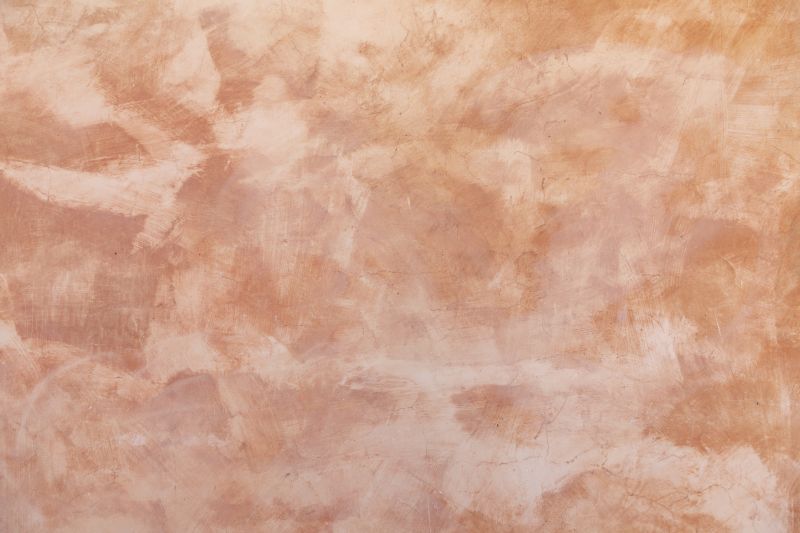
When comparing local contractors for faux painting services, it’s important to consider their experience with projects similar to what is needed. Homeowners should inquire about the types of finishes and techniques the service providers have worked with in the past, ensuring they have a track record of handling projects like textured finishes, decorative patterns, or specialty finishes. An experienced professional will be familiar with the nuances of faux painting and able to deliver results that match the desired aesthetic, reducing the risk of surprises or unsatisfactory outcomes.
Clear, written expectations are essential when evaluating potential service providers. Homeowners should seek detailed descriptions of the scope of work, including the specific techniques to be used, the materials involved, and the projected process. Having this information in writing helps ensure everyone is aligned on the project’s goals and provides a reference point for any questions or adjustments that may arise. This transparency can also serve as a basis for comparing different local contractors and making an informed decision.
Reputable references and effective communication are key indicators of a dependable professional. Homeowners should ask for references from previous clients with similar projects and take the time to verify their satisfaction with the work performed. Good communication throughout the process-prompt responses, clarity in explanations, and willingness to address questions-also reflects a contractor’s professionalism. While this site introduces homeowners to local options, it does not perform the work itself; instead, it helps connect individuals with qualified service providers who can meet these important criteria.
Property owners use Faux Painting Service services for practical projects around their homes and businesses. This guide focuses on everyday jobs and straightforward project options.
Faux painting services are often sought after for interior updates that aim to add texture, depth, or a unique visual appeal to walls and surfaces. Property owners might consider these services when looking to refresh a room’s look, create a distinctive accent wall, or achieve a decorative finish that mimics more costly materials like marble or wood grain. Local contractors skilled in faux painting can help transform plain walls into stylish focal points, making spaces feel more personalized and inviting.
Homeowners and property managers may also look for faux painting services during renovation projects or when preparing a property for sale. These professionals can provide finishes that enhance a space’s aesthetic appeal, helping to increase its visual interest without the need for extensive remodeling. Whether updating a single room or tackling multiple areas, local service providers are available to assist with a variety of decorative painting techniques to meet different design preferences.
What is faux painting? Faux painting is a decorative technique that creates the appearance of materials like marble, wood, or stone on walls and surfaces using specialized painting methods.
What are common faux painting finishes? Common finishes include marble, rag rolling, sponging, wood grain, and Venetian plaster, each providing a unique textured or visual effect.
Can faux painting be applied to different surfaces? Yes, faux painting can be applied to a variety of surfaces such as walls, ceilings, furniture, and decorative panels.
What types of materials are used in faux painting? Faux painting typically involves high-quality paints, glazes, and specialized tools like sponges, brushes, and rollers to achieve the desired effects.
How do I find local contractors for faux painting services? This website can help connect with experienced local service providers who specialize in faux painting techniques.
Accent Walls - Enhance a living space by creating an eye-catching feature wall with faux painting techniques that add depth and character.
Kitchen or Bathroom Updates - Refresh outdated cabinetry or walls with decorative finishes to give these areas a modern, stylish look.
Ceiling Enhancements - Add visual interest to ceilings with textured or painted finishes that complement the overall room design.
Color and Texture Accents - Incorporate subtle color variations and textures to highlight architectural details or create focal points in a room.
If you are thinking about Faux Painting Service for a property, this guide is meant to help you understand the work, the typical project types, and how different options might fit your plans.
When you are ready, you can use the quote form on this page to share a few details about your project. From there, local pros can review the basics and respond with options that match what you have in mind.